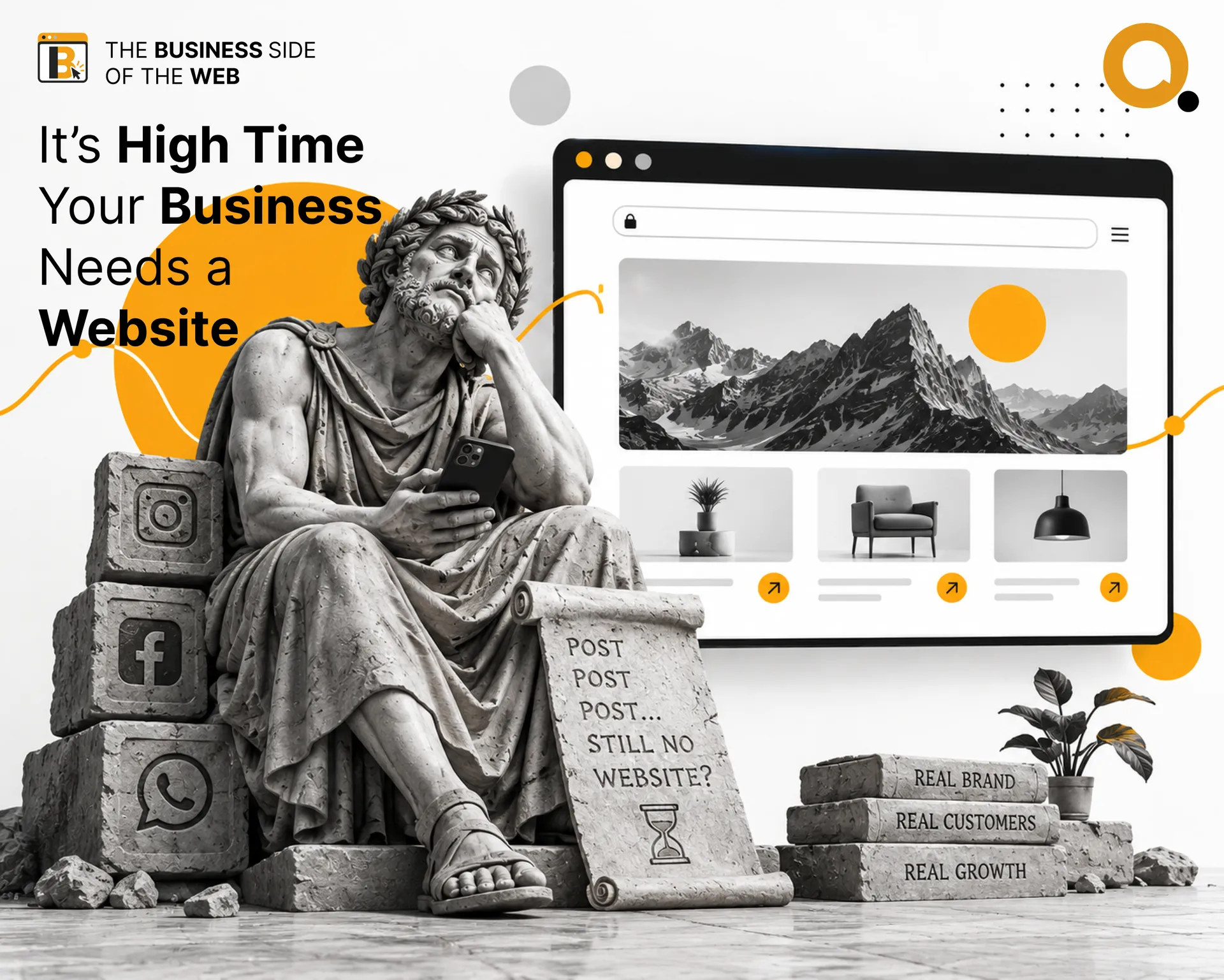
For the business owner who still thinks a website is optional.
Your Instagram page is not your business. It’s a rented room in someone else’s building.
You’ve decorated it, you’ve filled it with followers, you post there every day - but you don’t own it, control it, or decide what happens to it next.
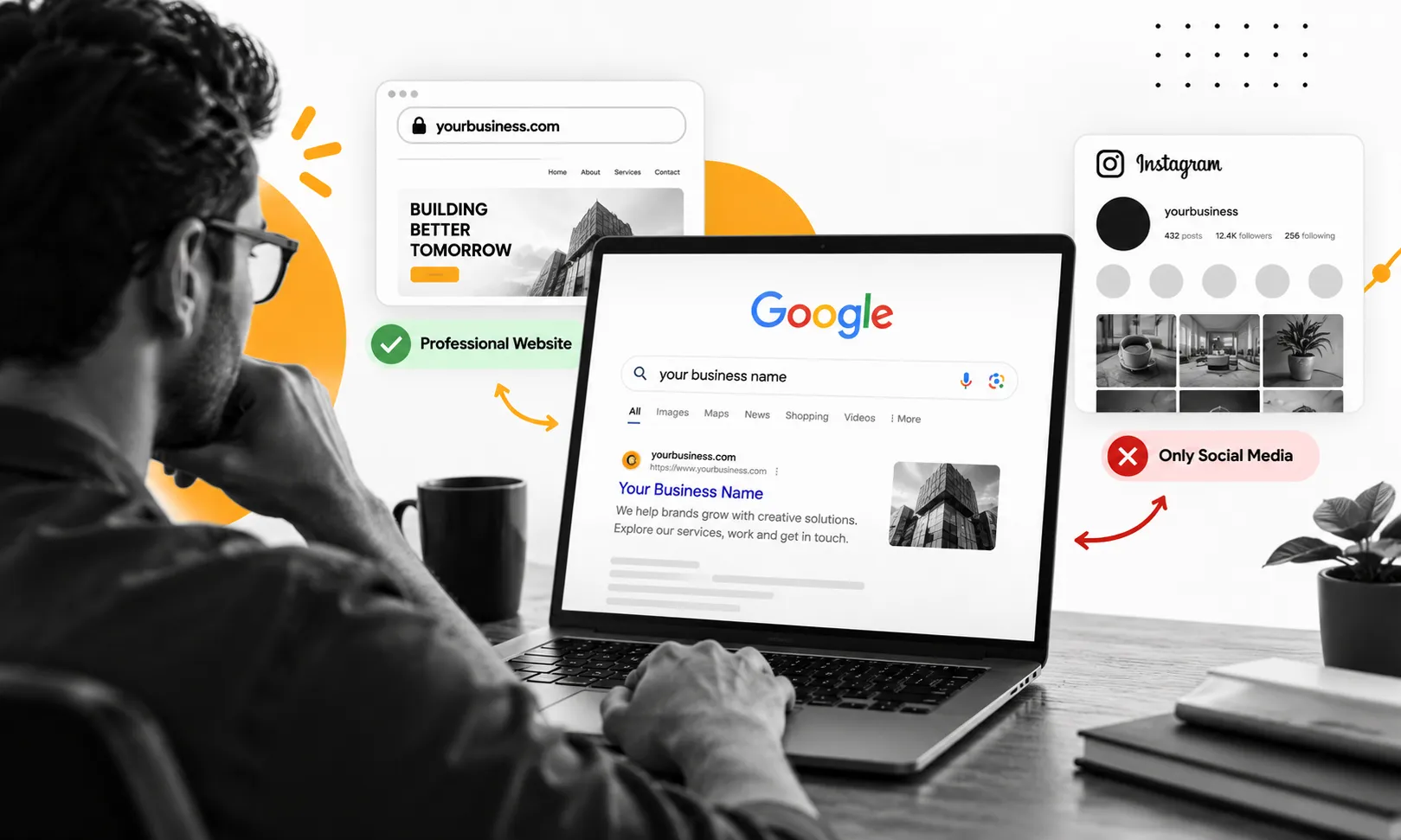
Here’s a sharp question to sit with: if someone Googled your brand right now, what would they actually find?
If the answer is “just my Instagram,” keep reading. This is where most businesses lose the deal before it even starts.
The Trust Test: What Happens When Someone Googles You
Here’s how it actually plays out.
A potential client hears your name - maybe from a referral, maybe from an ad, maybe from a friend. Before they reach out, they do one thing almost automatically: they search your brand on Google.
If what comes up is a website - clean, professional, with your services laid out clearly - they read it as a signal: this is a real, established business.
If what comes up is only an Instagram page, the signal changes. It doesn’t say “small and scrappy” in a good way. It says “not established yet.”
This is where trust quietly walks away.
This matters most in corporate and B2B service businesses. When another company researches you before signing a contract, your digital footprint is your first impression - and often, your only one. A strong website means a better experience for them, and a better chance you win the deal over someone who only has a bio link in their Instagram.
If You’re Not a “Big Brand” Yet, You Still Need a Website - Just for a Different Reason
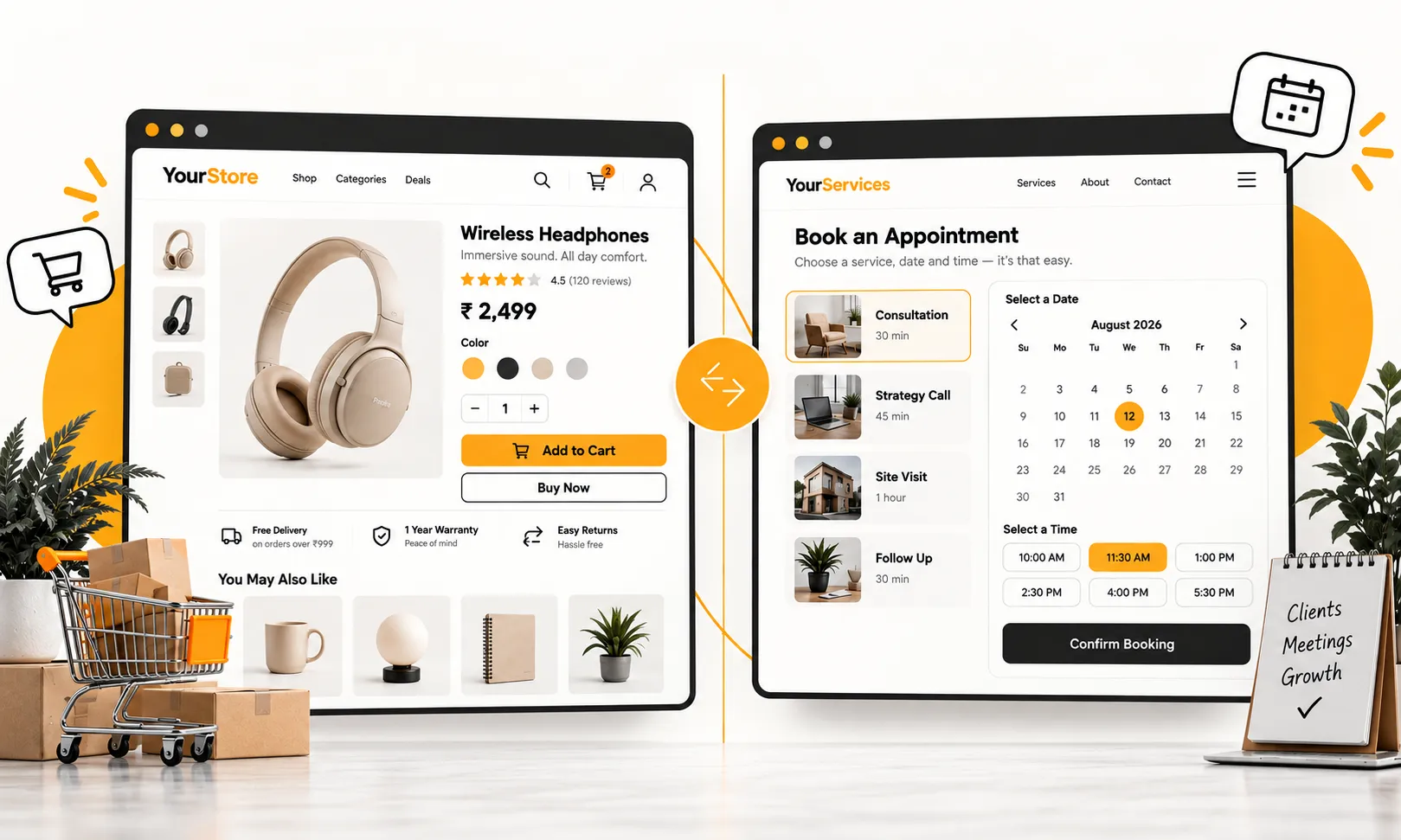
Not every business is chasing corporate trust. If you run a product-based or small service-based business, the website conversation isn’t about brand prestige - it’s about function.
Picture this:
A small business owner runs ads, gets DMs, and closes deals manually — one message at a time. It works, until it doesn’t. There’s no system, no record, no way to scale beyond how many messages one person can reply to in a day. The problem isn’t the ads. It’s that there’s nowhere for the business to actually operate.
That’s exactly what a website solves:
Product-based business? An e-commerce website turns “DM me to order” into an actual storefront — open a whole new phase of the business.
Small service-based business? You need a system to take appointments, collect leads, and organize what’s currently living in scattered chats.
The Landing Page Is Your Insurance Policy
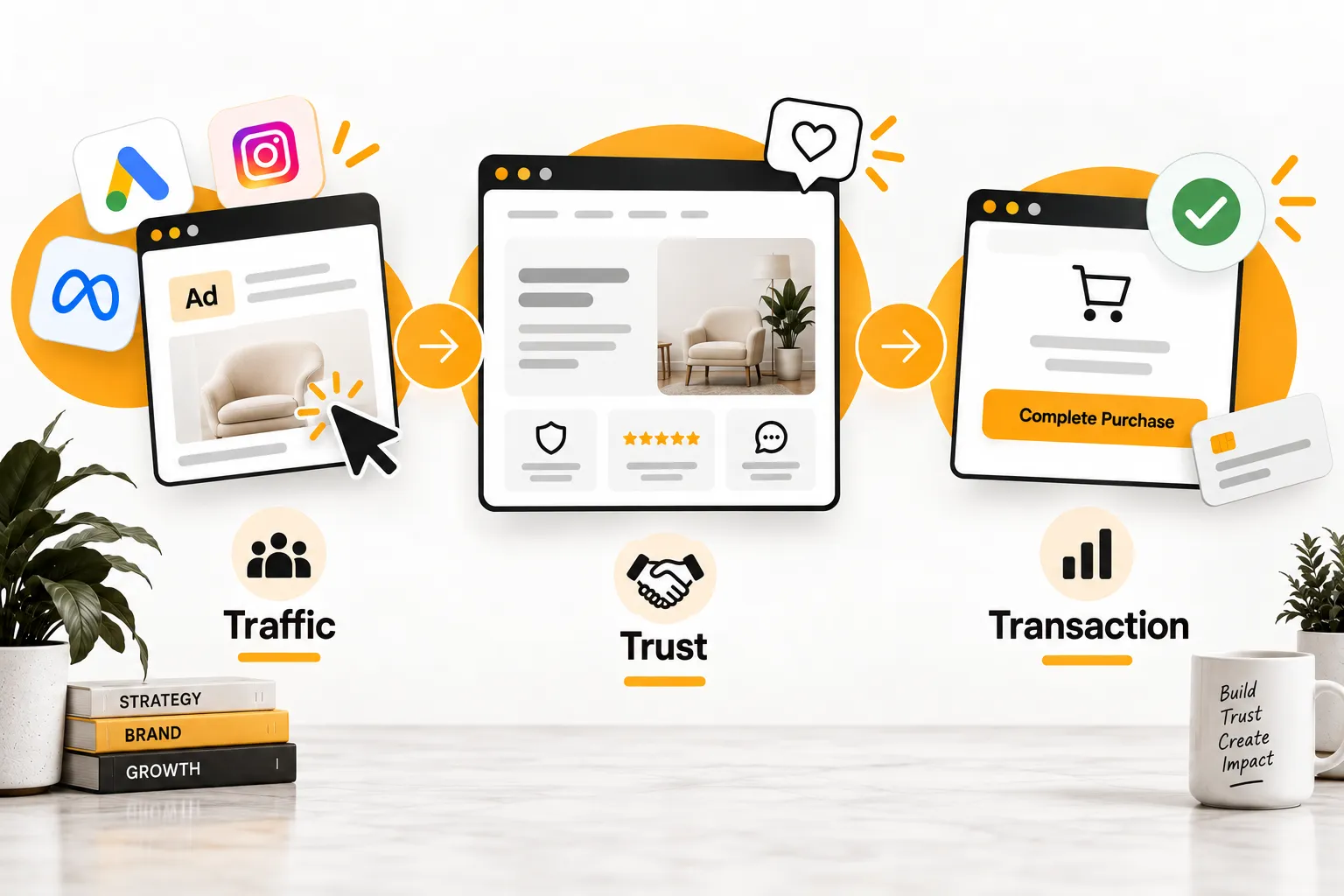
Let’s talk performance marketing for a second.
If you’re running ads to get leads from Google, a landing page isn’t optional — it’s the entire point. And that landing page needs a clear, focused CTA strategy sitting on top of a real website behind it.
Here’s the uncomfortable truth: most leads don’t convert on the first visit. They click, they think about it, they leave. If you’re only running ads with no website behind them, that lead is gone. There’s nothing left for them to remember you by.
A website is what they remember you by.
The Funnel That Actually Holds:
Ad Click → Landing Page → Clear CTA → Lead Captured (and remembered)
Without the website underneath it, you’re not building a brand. You’re just renting attention from Google, one click at a time.
Paid Traffic Has an Expiry Date
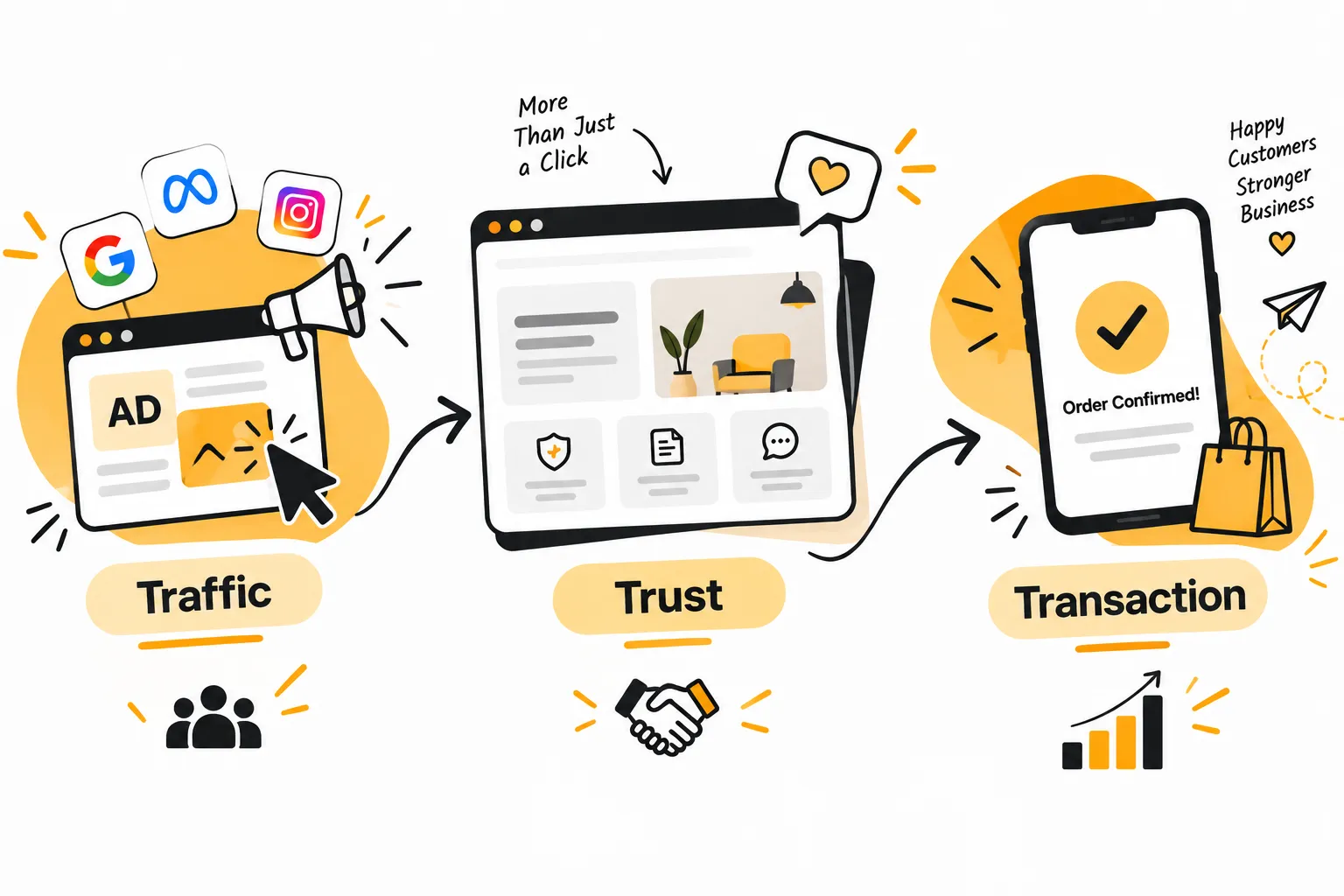
Ads work until the budget stops. The moment you pause spending, the leads stop too. That’s not a growth engine. That’s a subscription.
The shift every serious business eventually needs to make is from paid traffic to organic traffic — and that shift needs a website with a real strategy behind it, not just a page that exists.
Mini Framework:
Traffic → Trust → Transaction
Traffic without a website stops at “traffic.” It never becomes trust, and it never becomes a transaction.
People don’t remember a business from an ad they scrolled past. They remember a business they found, read about, and trusted - organically, on their own terms.
Even AI Is Reading Your Website Now
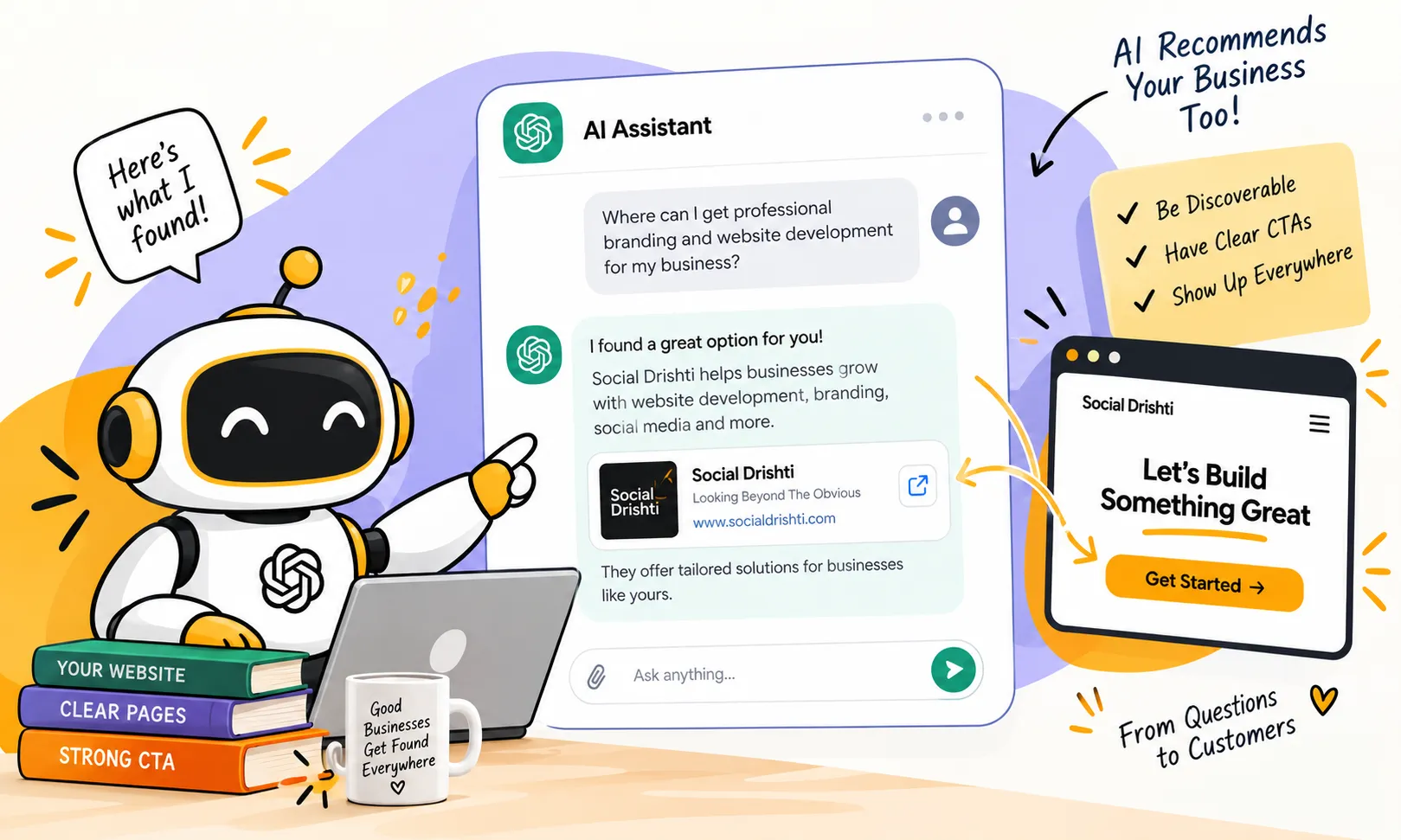
Here’s the part most businesses haven’t caught up to yet: it’s not just Google searching your website anymore. It’s AI.
If your business has a clear CTA and shows up consistently across the places AI models pull information from, those same models will point their users straight to your CTA page when someone asks a relevant question.
No website, clear pages, or CTA structure? You’re invisible to that conversation entirely.
If you don’t have a page, you don’t have a presence - not even to the machines.
Once the Website Exists, the Real Marketing Begins
Here’s what nobody tells you before you build one: a website isn’t the finish line. It’s the unlock.
The moment it exists, a flood of marketing options opens up that simply weren’t available before - retargeting, email flows, retention campaigns, organic content, SEO compounding over time.
Without a website, you’re stuck serving whatever leads an ad brings in that day, with no retention, no memory, and no asset that keeps working after the campaign ends.
With one, every lead you generate becomes something you can nurture, not just something you spend money to get once.
Start Here
If you take one thing from this: stop treating your website like a “someday” project.
If you’re a corporate or service-based business chasing bigger contracts - a website is your trust signal.
If you’re a product or small service business - a website is your operating system.
If you’re running ads at all - a website is the only reason those ads have a chance to build a brand instead of just a bill.
Just start with the website.
The Business Side of the Web
This is just the beginning.
“It’s High Time Your Business Needs a Website” is the first chapter in The Business Side of the Web - a series about understanding websites from the perspective that actually matters to a business: trust, money, growth, visibility, and what your website should do for you.
If you’re thinking about getting a website, rebuilding one, or simply trying to understand whether your business actually needs one, follow the series as we break it down without the technical jargon.
What’s Coming Next
01 — It’s High Time Your Business Needs a Website
← You’re here
02 — What Is a Website, and How Does It Work?
03 — 15 Things You Should Know Before Even Thinking to Make a Website
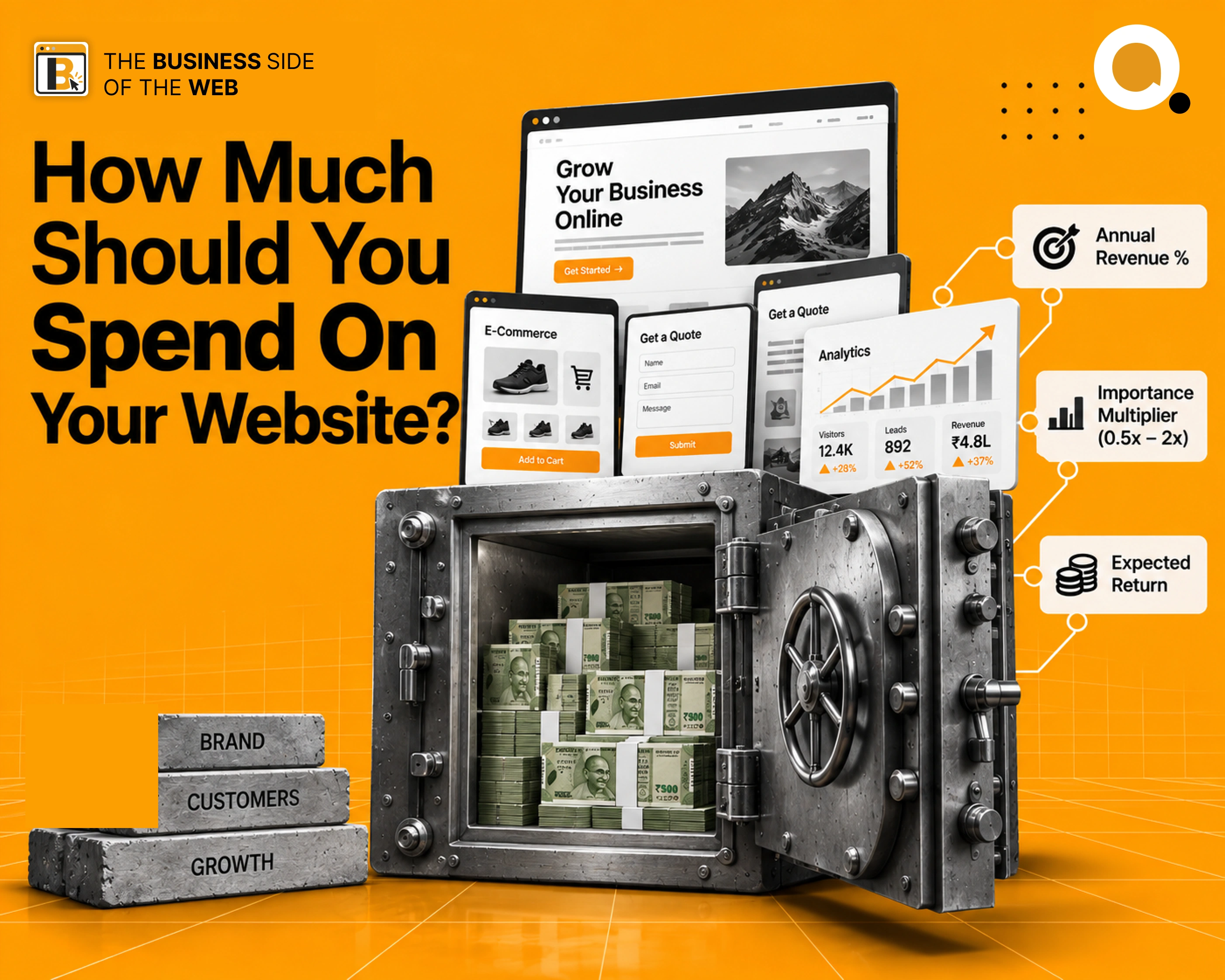
04 — How Much Should You Spend on Your Website?
05 — How Much Does Website Development Cost in India?
06 — What Should a Website Actually Do?
07 — Difference Between a Website and SEO
08 — What Makes a Business Website Look Professional?
The goal of this series is simple: by the end, you should be able to look at a website and understand what it costs, what it should accomplish, and whether it is actually helping your business grow.
Ready to stop losing trust, leads, and long-term traffic to a business that doesn’t own its own front door? Let’s build the website that does the work for you - day and night.

Comments