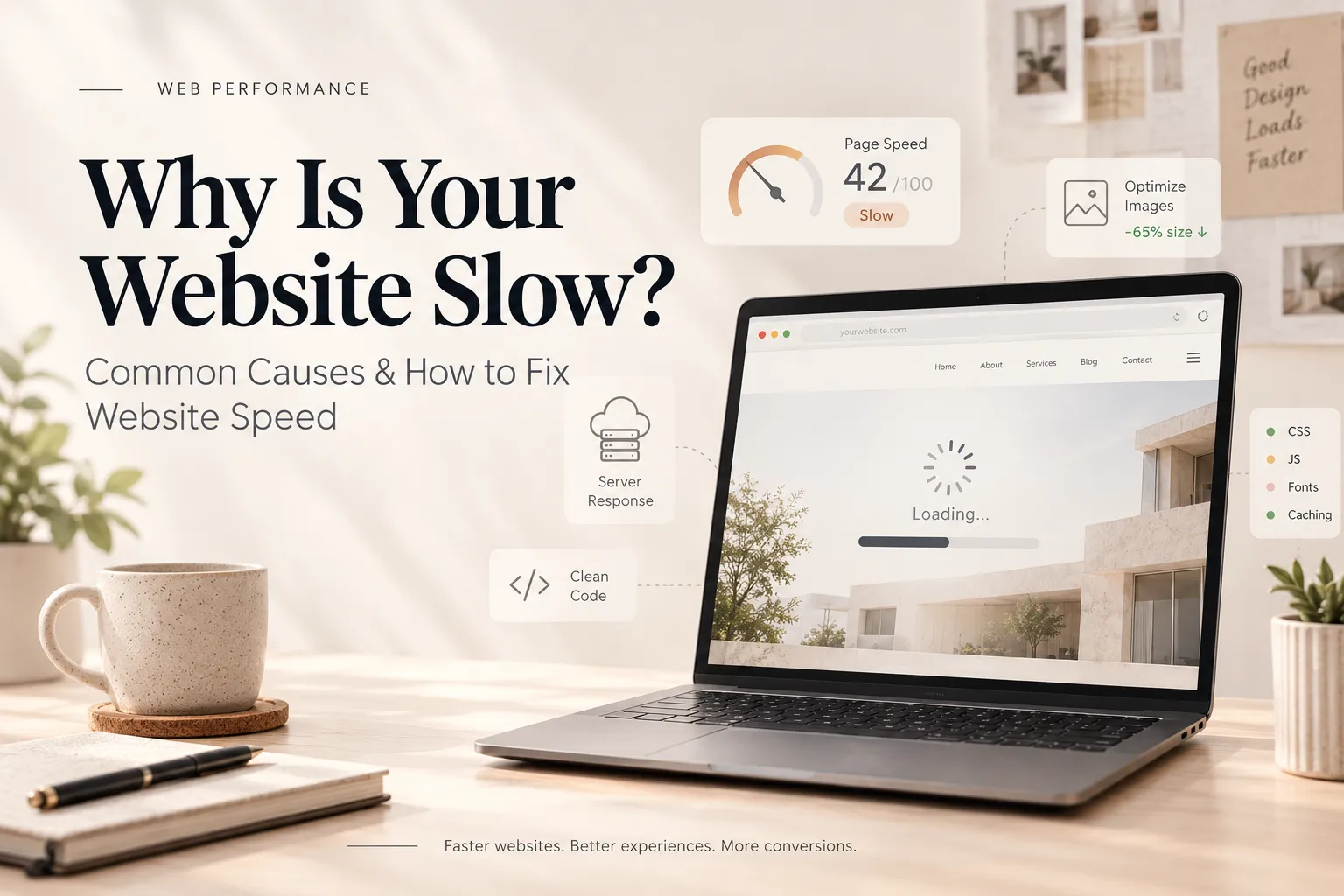
Why Is Your Website Slow? Common Causes and How to Fix Website Speed
A slow website can directly impact user experience, conversions, and search engine performance. If your website takes too long to load, visitors may leave before they even see your content or products.
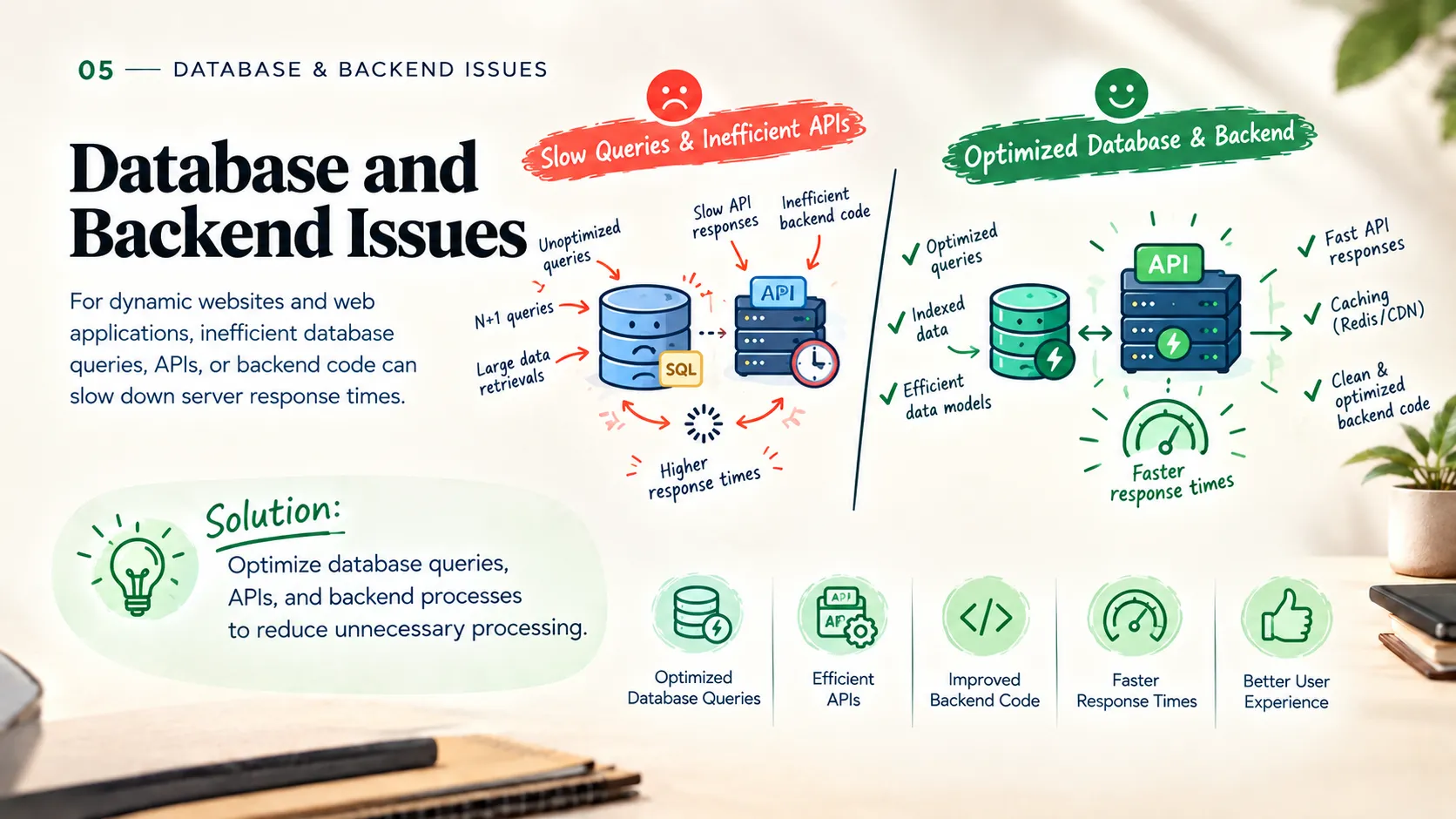
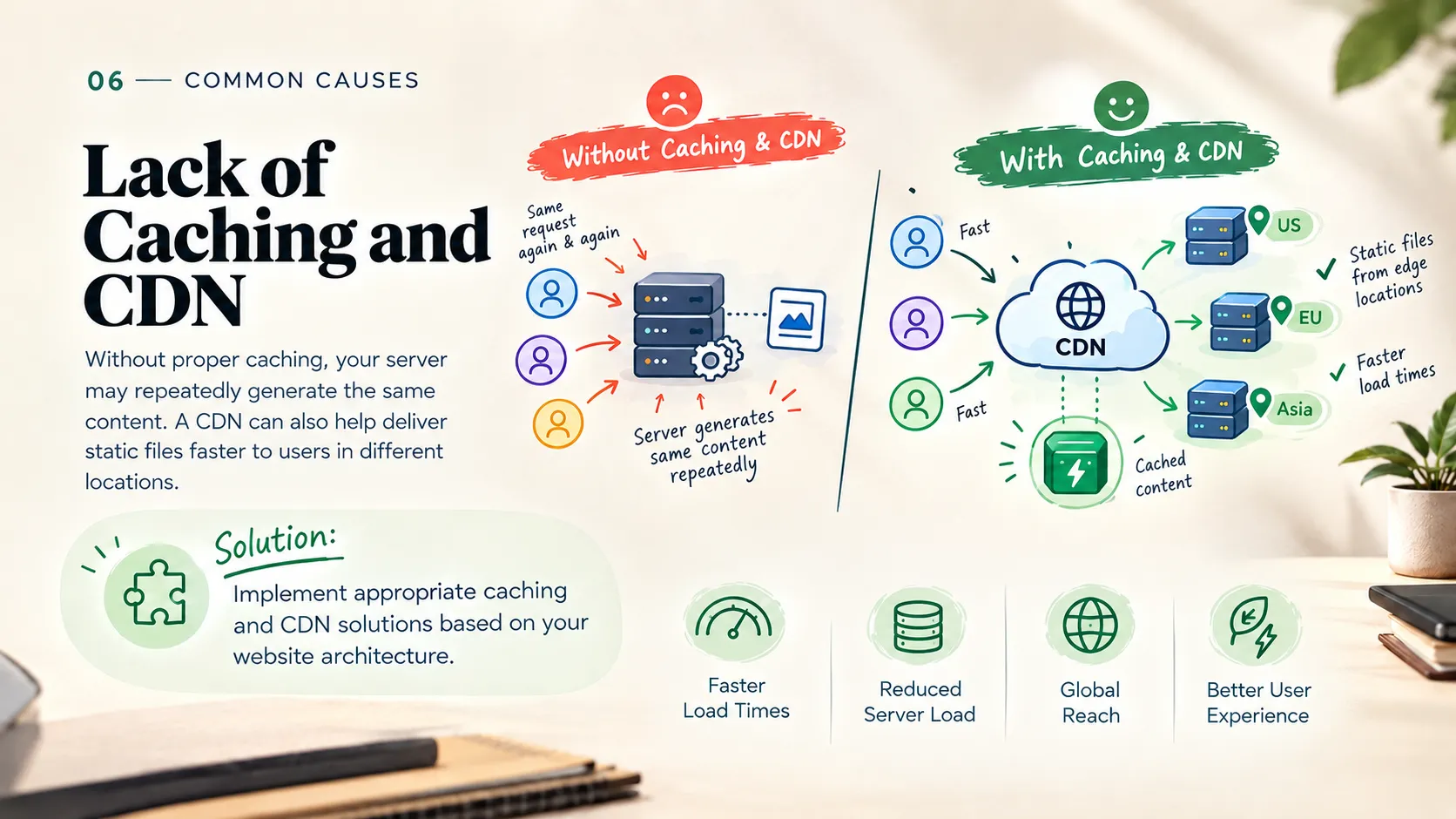
Here are the most common causes of slow website performance and how to fix them.

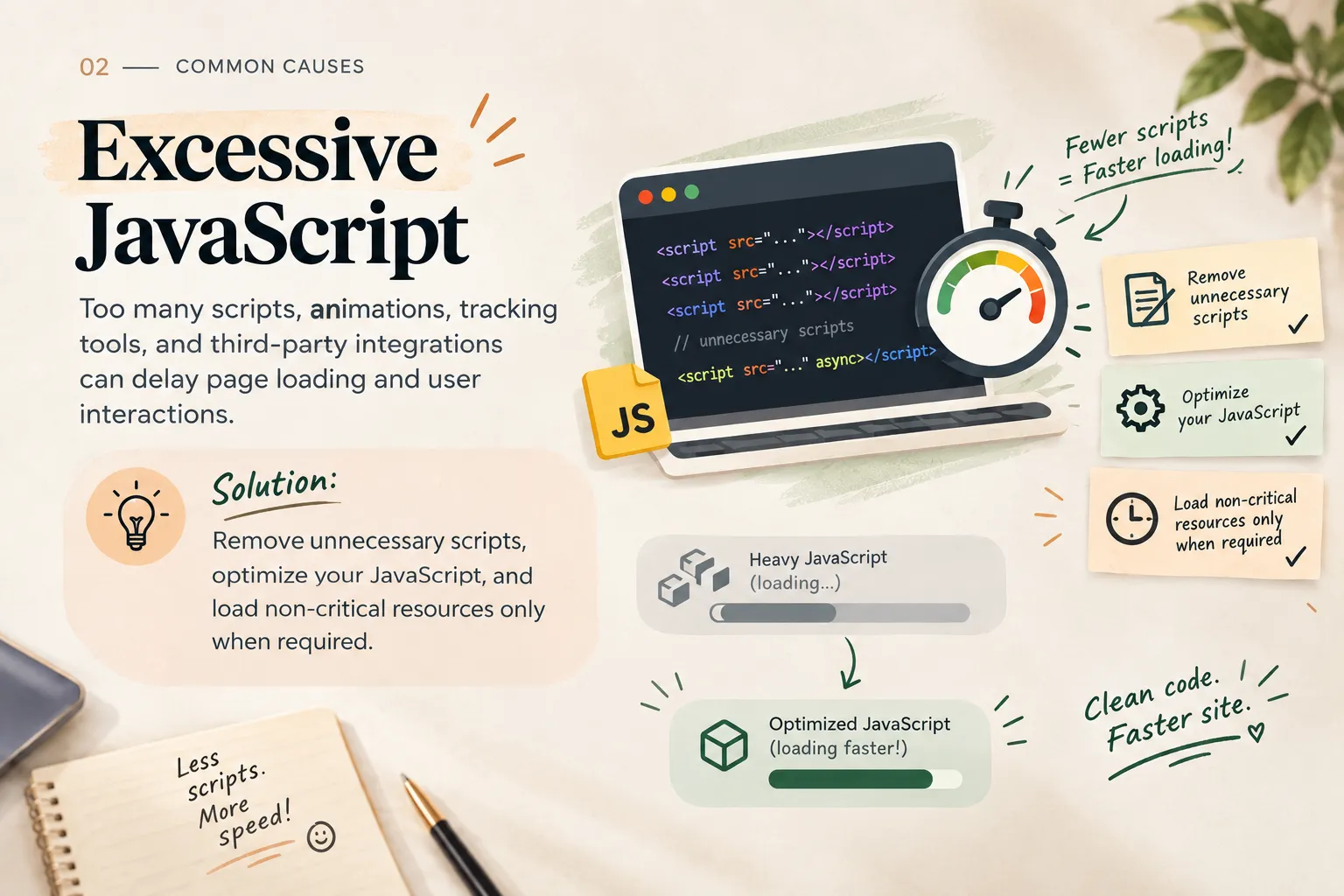
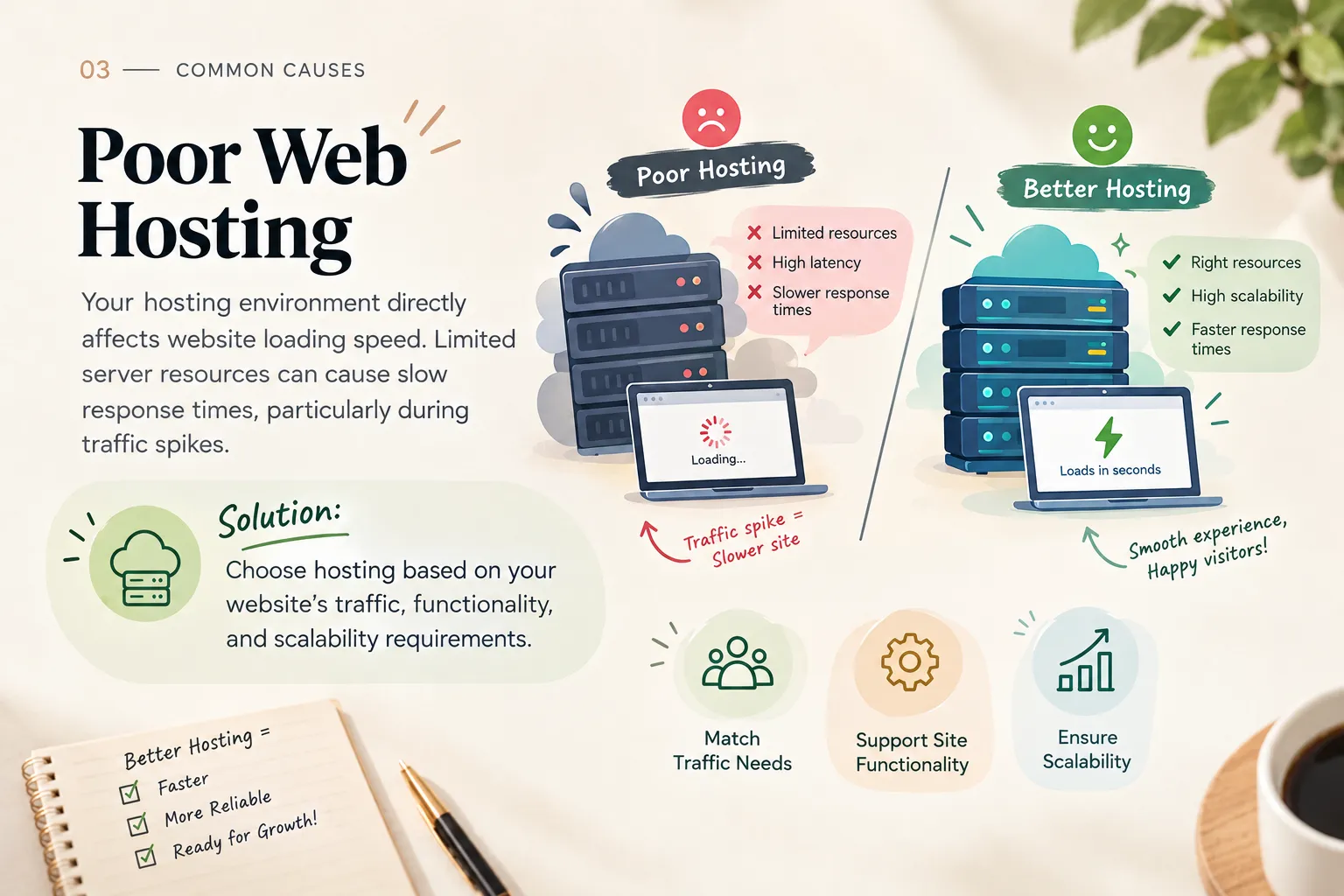
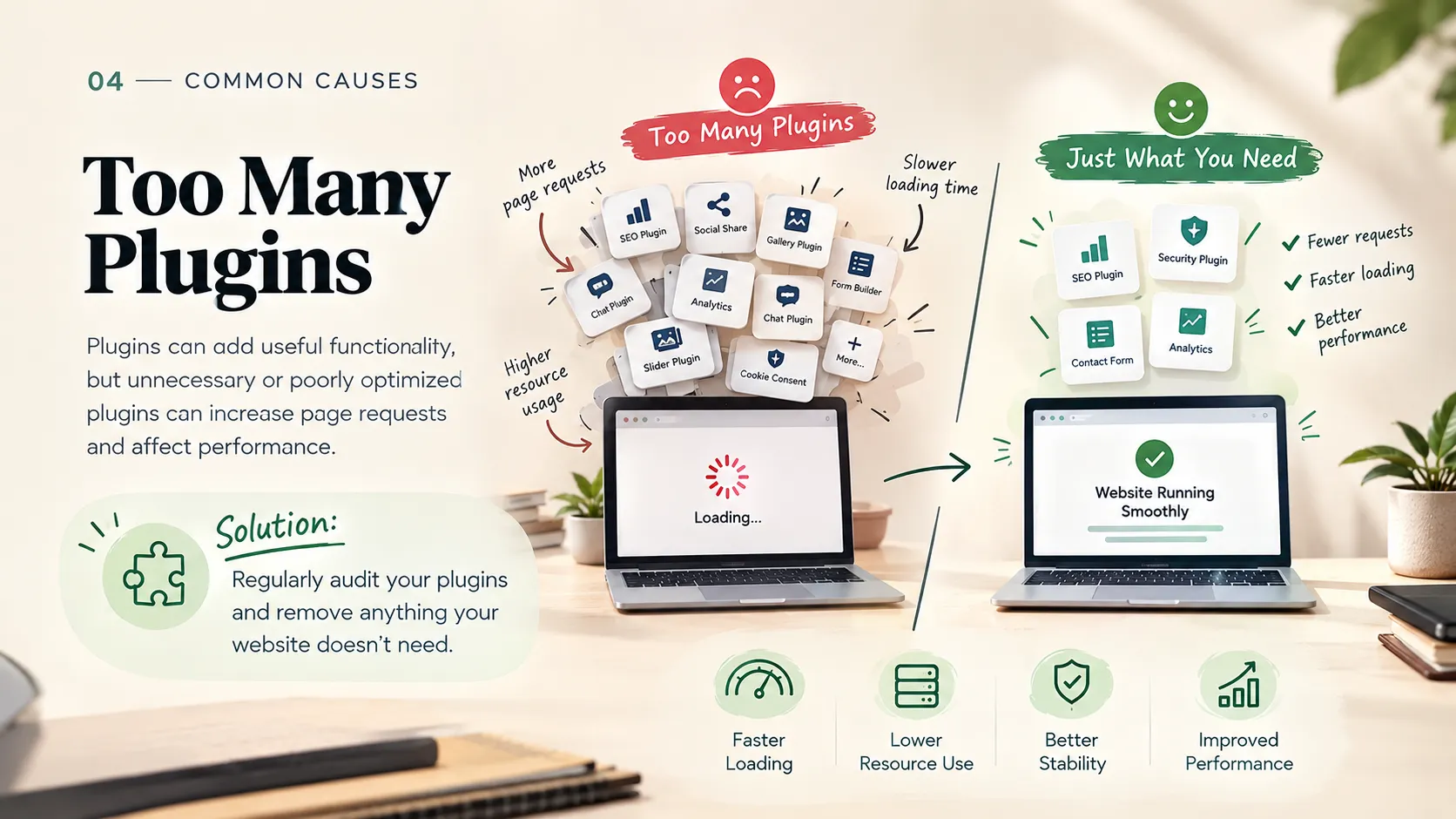
How to Check Your Website Speed
Start with tools such as Google PageSpeed Insights and Lighthouse. These tools can help identify performance issues across desktop and mobile devices. However, improving a performance score isn't the only goal. The focus should be on creating a website that is fast, responsive, and reliable for real users.
Final Takeaway
Website speed is influenced by multiple factors from images and JavaScript to hosting, databases, and server configuration. The best approach is to measure, identify the bottleneck, and optimize the underlying problem rather than simply redesigning the website. A faster website means a better user experience, stronger engagement, and more opportunities to convert visitors into customers.
Need to improve your website performance? Start with a technical performance audit.
Comments